
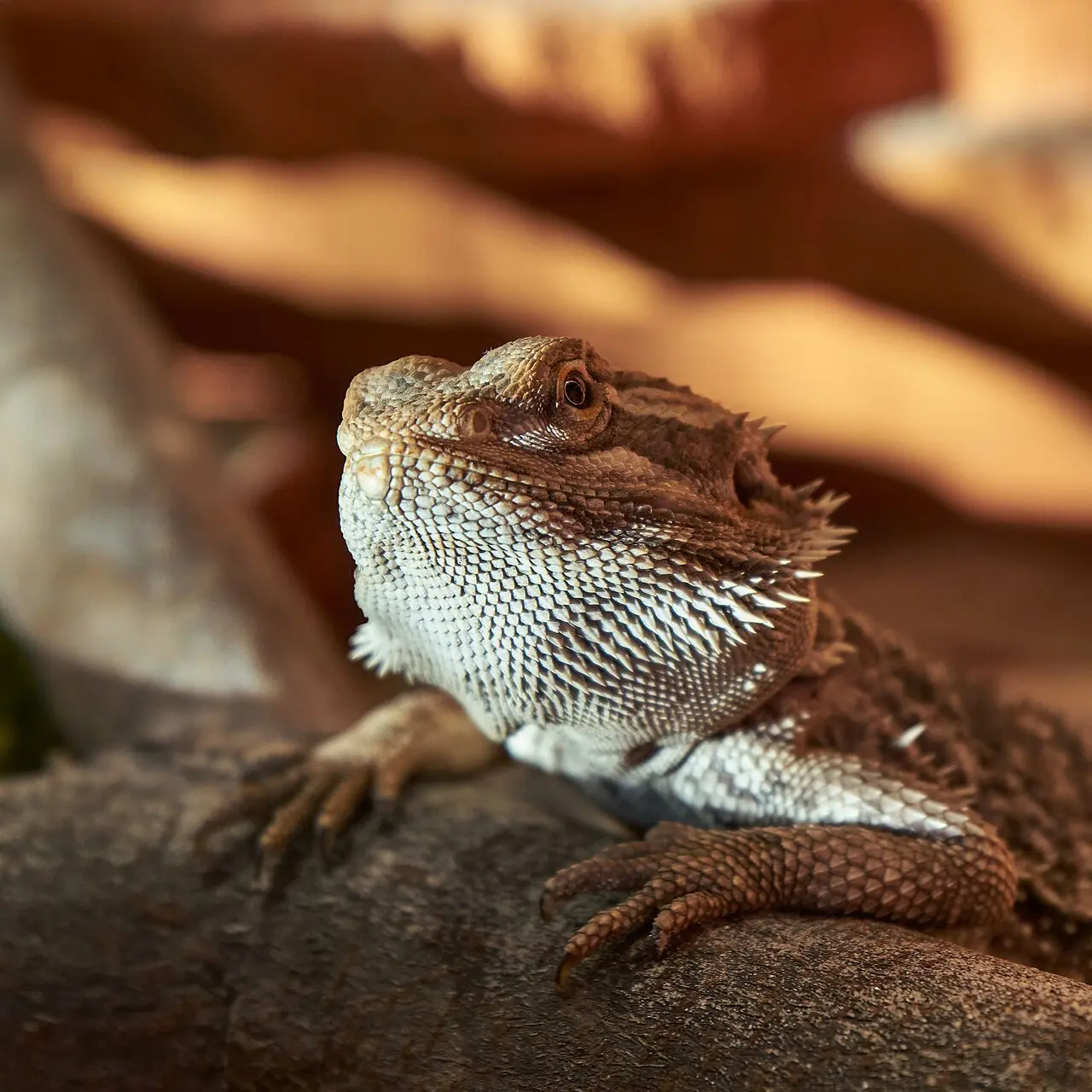
Daily life and changing needs
Check heat, UV provision, water, food intake, waste and the animal’s activity.
Check weight or body condition, inspect lamp guards and review feeding balance.
Review photoperiod and room temperatures; discuss a planned dormancy only for a healthy adult.
Life stages
| Stage | What changes |
|---|---|
| Hatchling | Offer safe small insects and finely prepared greens daily; rapid growth calls for a documented calcium and lighting plan. |
| Juvenile | Keep vegetables available, reduce insect load gradually as growth slows, and enlarge usable climbing and basking areas. |
| Adult | A lower-energy, plant-led routine with modest insect meals helps prevent obesity. Maintain heat and UV access. |
| Reproductive female | Eggs can be produced without a male. Track body condition, calcium, hydration and access to a suitable diggable lay site. |
These are starting decisions for healthy captive animals. Adjust to measured conditions, body condition and veterinary advice. Hatchling, juvenile and adult ages vary by individual.
Build the choices
The FBH code sizes a Pogona enclosure to at least 6 × 3 × 3 times the individual’s snout–vent length: its 20 cm example is 120 × 60 × 60 cm, so a larger dragon needs a larger home. RVC gives roughly 122 × 61 × 61 cm as a minimum; the current ReptiFiles specialist planning target for many adults is around 180 × 60 × 60 cm. These are different thresholds, not interchangeable claims of an ideal. Plan generous length and usable height with stable basking ledges, climbing, digging, hides and visual cover. A bare enclosure with a single exposed perch leaves little choice. House adults singly by default. [FBH code] [RVC 2024] [ReptiFiles]
Use a broad basking area with a guarded, thermostatically controlled heat source. RVC gives around 35–40 °C for basking and around 25 °C at the cool end, with the night environment not falling below roughly 20 °C in its example. Check air with digital probes and the basking surface separately. Arrange bright visible light and UVB with the warm zone, while leaving full shade and cooler retreat. Measure UVI where the dragon’s back can reach, including raised décor and mesh effects. Bulb percentage alone is not a UVI reading. [RVC 2024] [RVC lighting] [IHS]
Choose a diggable, maintainable substrate and inspect it for soiling; avoid exposed loose food on substrate that can be swallowed. Secure furnishings, ventilate well and offer hides along the thermal gradient. A shallow water dish belongs in the enclosure even if an individual rarely uses it in front of you. [IHS] [RVC 2024]
Food, water & supplements
Bearded dragons are omnivores. Offer varied greens such as spring greens, rocket, chicory, endive and watercress, with a rotation of appropriately sized, gut-loaded insects. ReptiFiles’ stage-based guide gives hatchlings insects and vegetables daily; juveniles a modest daily insect portion with abundant vegetables; and adults a much smaller insect contribution, around twice weekly, with vegetables as the mainstay. This differs from older high-insect rules, which can overfeed adults. Individual body condition and veterinary advice should govern portions. [ReptiFiles] [IHS]
Dust food with calcium and use a measured multivitamin schedule. ReptiFiles suggests calcium on insects and salads and multivitamin twice weekly for young animals, once weekly for adults, but powders differ: check the label and dietary D₃ against measured UVB rather than combining products automatically. Keep fresh drinking water in a shallow dish. Hydrating greens help, but forced bathing is not a replacement for drinking. [ReptiFiles] [IHS]
Hatchling to adult
A hatchling needs smaller prey, secure basking access, close observation and steady growth. Watch for feeding, faeces and normal movement; correct UV, heat and calcium together before a bone problem develops. As a juvenile matures, gradually shift the energy balance from insects towards vegetables. An adult’s weight should be tracked without using the fastest possible growth as a goal. [ReptiFiles] [RVC 2024]
Observe basking, exploration, digging, hiding, posture and response to handling. A dragon that repeatedly avoids a bright zone may be responding to heat, UV or lack of cover; investigate measurements before adding more light. Inactivity, a black beard, swollen limbs, tremor, soft jaw or persistent refusal to eat can signal distress or disease and merits a reptile-vet assessment. Support the entire body during handling and avoid forcing interaction. [IHS] [RVC 2024]
Season, breeding & hatching
Brumation is a seasonal reduction in activity and appetite, not true mammalian hibernation. Not every pet dragon will brumate. Do not deliberately induce it in a hatchling, underweight animal, gravid female with a concern, or one with unexplained symptoms. Check weight, hydration, temperatures and health first, and plan any intentional winter cycle with an experienced reptile vet. Keep fresh water accessible and monitor rather than assuming all sleep is normal. [RRK] [RVC 2024]
A female can lay infertile eggs. An older species account describes up to 24 eggs in a clutch and sometimes repeated clutches, which can substantially deplete calcium and energy. Before breeding, establish mature healthy parents, an appropriate lay site, a veterinary plan and homes for offspring. A gravid dragon digging without laying, straining, becoming weak or failing to bask needs urgent assessment for possible egg retention. Incubation and hatching depend on controlled conditions; an older account reports roughly 55–75 days, not a promise for every clutch or a stand-alone incubator setting. Keep hatchlings separately with verified light, heat, small food and water access. [ADW] [ReptiFiles]
What to record & when to act
Log lamp model, distance, animal-level UVI, basking and cool readings, food mix, supplements, water, weight, sheds and faeces. Recheck after moving a branch, replacing a lamp or changing a mesh top. A sudden behaviour change, recurrent dehydration, swollen jaw or limbs, persistent constipation, respiratory signs or egg-laying difficulty should prompt a reptile vet. [RVC lighting] [RVC 2024]
Read the underlying guidance
Sources have different dates and purposes. Published numbers are reference points, and reproductive ranges describe what has been observed. The specialist ReptiFiles pages contain paid links; YoGecko receives no referral income from them.
- Royal Veterinary College: bearded dragon careReviewed December 2024
- IHS: bearded dragon care sheetHousing, diet, water and enrichment
- Federation of British Herpetologists: enclosure size code2023; welfare-focused minimums
- FBH: recommended minimum enclosure sizes, full codeMay 2022 code; Pogona example uses 6 × 3 × 3 times snout–vent length
- ReptiFiles: bearded dragon enclosureUpdated specialist recommendation of 180 × 60 × 60 cm for many adults
- Royal Veterinary College: reptile heating and lightingReviewed December 2024
- ReptiFiles: bearded dragon feedingStage-based schedule; based in part on J. Howard interviews
- Responsible Reptile Keeping: writing your own care guidesNatural-history method; accessed 28 September 2026
- Animal Diversity Web: Pogona vitticepsOlder species account; reproductive figures are descriptive
Reviewed 28 September 2026. This page is an independent synthesis, not a veterinary diagnosis or an official IHS, FBH, RVC or RRK care sheet.